Ramen is a Japanese noodle soup defined by its broth: tonkotsu is a creamy pork-bone broth, shoyu is a lighter soy-seasoned one, miso is built on fermented soybean paste, and black garlic is tonkotsu finished with charred garlic oil. Bowls in Carrollton start at $10.99 for vegetable and run to $13.99 for shrimp, steak or tempura shrimp.
A great bowl of ramen is built on one thing above all — the broth. Long before the noodles or the toppings, it's the soup simmering at the back of the kitchen that decides whether a bowl is forgettable or the kind you think about for days. If you're looking for ramen in Carrollton, here's a short guide to the four broths you'll see most often, what makes each one different, and how to order your first bowl like you've done it a hundred times.
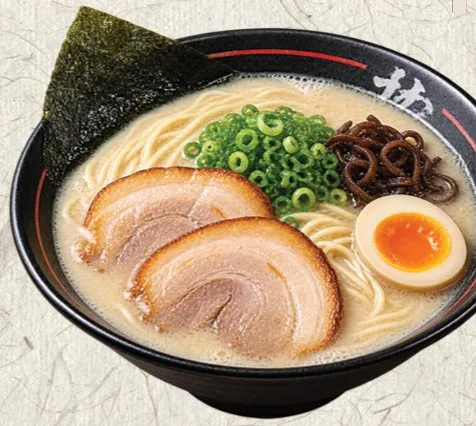
The richest, creamiest style. Pork bones are simmered hard for many hours until the broth turns opaque and almost milky, with a deep, savory body that clings to the noodles. If you like a bowl that feels indulgent, start here.
One of the oldest and most balanced styles. A clearer, brown broth seasoned with soy sauce — lighter than tonkotsu but full of umami, with a clean savory finish. A good middle path if you're not sure what you like yet.
Broth built on fermented soybean paste, which gives it a thicker texture and a hearty, slightly sweet-and-salty depth. Often served with a little heat, miso ramen is warming and full-flavored — a favorite when the weather turns.
Less a separate broth than a finishing touch — usually a creamy tonkotsu base swirled with mayu, a dark oil made from charred garlic. It adds a smoky, roasted, almost nutty layer over the richness. If you love garlic, this is your bowl.
Ramen noodles are wheat noodles with a springy bite, made to hold up in hot broth. On top you'll commonly find chashu (braised, melt-in-the-mouth pork belly), ajitama (a soft, marinated soft-boiled egg with a jammy yolk), menma (seasoned bamboo shoots), narutomaki (the pink-and-white fish cake), nori (seaweed), corn, and scallions. Every shop has its own combination — half the fun is finding the one you love.
Pick your broth first — that's the big decision. Don't be shy about the noodles: slurping is normal and actually helps cool them while pulling the aroma forward. Eat it while it's hot, sip the broth (a spoon comes with the bowl), and know there's no rule that you have to finish every drop — though you may want to. If you're vegetarian, look for a vegetable-based bowl built on a kombu or vegetable broth instead of pork.
At Mizunoya, our ramen covers the styles above — a creamy Chashu Tonkotsu, a Spicy Miso, a classic Shoyu, a Black Garlic bowl, and a Vegetable ramen for a lighter, meat-free option. You can see what comes in each bowl on our menu.
Broth gets the attention, but a bowl of ramen is really four components assembled in order, and three of them are decided before the soup is poured. Knowing what they are explains why two shops serving the same tonkotsu taste nothing alike, and why the $10.99 vegetable bowl and the $12.99 chashu bowl are built on identical foundations.
A concentrated salt, soy or miso paste spooned into the empty bowl first, usually 30 to 45 ml. The broth is poured over it. Tare is what actually names a bowl shoyu or miso — the stock underneath can be the same in both.
A spoonful floated on top, which is where black garlic ramen comes from: mayu, garlic charred almost to black and blended into oil. It reads as a fifth broth on the menu but it is a finishing layer over the tonkotsu base.
Wheat noodles raised with alkaline salts, which is what makes them yellow and springy rather than soft like pasta. They keep cooking in a 90°C bowl, so a portion that was perfect at the pass is soft eight minutes later. Eat them first.
Eight come standard here: a soft egg, corn, bamboo shoots, wood ear mushroom, fish cake, green onion, nori and crispy fried onion. An extra egg is $1.00, and a second protein — chicken, chashu pork, shrimp, steak or tempura shrimp — is $5.00.
Tonkotsu is pork bone held at a hard boil for 8 to 18 hours until collagen breaks down and emulsifies, which is what makes it opaque. Shoyu and shio stocks are gentler, often 4 to 6 hours, and stay clear. A shop is committing a full day of stove time before it sells a single $12.99 bowl.
All four broths here are offered spicy as well as plain, so the broth step is really eight choices. The heat is added at the tare stage rather than stirred in at the end, which is why it reads through the whole bowl instead of sitting on top.
Drawing air in with the noodles cools them on the way and carries aroma up the back of the nose. It is not just etiquette — a 90°C bowl is otherwise difficult to eat quickly, and speed is the point.
Every bowl is built in two steps — a broth, then a protein — and the protein is what sets the price. Vegetable is the least expensive bowl on the menu at $10.99.
| Bowl | Price | Notes |
|---|---|---|
| Chashu (Pork) | $12.99 | Braised pork belly, the classic tonkotsu pairing |
| Steak | $13.99 | Sliced beef, holds up in a heavier broth |
| Shrimp | $13.99 | Lighter; good with shoyu |
| Chicken | $11.99 | The middle option at 11.99 |
| Vegetable | $10.99 | No meat added to the bowl |
| Tempura Shrimp | $13.99 | Battered and fried, added to the bowl |
Ordering is the same whether you sit at the sushi bar, take a table, or call ahead for pickup. Work through it in this order and you will not end up with four fried things and nothing to balance them.
Chashu pork at $12.99 is the default. Chicken is $11.99, vegetable $10.99, and shrimp, steak or tempura shrimp $13.99.
Four broths: miso, tonkotsu, black garlic or shoyu. Each also comes in a spicy version, so there are eight to pick from.
Egg is +$1.00. Any protein — chicken, chashu pork, shrimp, steak or tempura shrimp — is +$5.00.
Noodles keep softening in hot broth. Start with them, then work through the egg, corn, bamboo shoot and narutomaki.
Food-safety and sourcing statements on this page follow the guidance below. Texas food establishments are also required to operate under state retail food rules, and staff handling raw fish are certified food handlers under those rules.
Carrollton and the wider North Dallas area have no shortage of noodle spots, and the style you'll enjoy most really comes down to the broth. Whether you're a tonkotsu devotee or just deciding where to start, we'd love to have you in once we open.
Mizunoya — Japanese Kitchen
1025 W Hebron Pkwy #156, Carrollton, TX 75010
Open daily except Tuesday