Poke is a Hawaiian dish of cubed raw fish dressed in sauce and served over rice or greens — it is assembled in four layers: base, protein, toppings and sauce. Ahi tuna is the lean classic and salmon the fattier alternative. A typical bowl carries 4 to 6 ounces of fish.
A poke bowl is one of the easiest ways into raw-fish dining: fresh, casual, and built to your taste, with none of the formality of a sushi counter. It travels well as a lunch and feels light enough for a warm day. If you're looking for poke in Carrollton, here's where it comes from, how a bowl is put together layer by layer, and how to choose between the two proteins you'll see most — ahi and salmon.
Poke (ポケ, pronounced POH-keh) comes from Hawaii, where the word simply means "to slice" or "to cut." At its most traditional, it's cubes of raw fish tossed with a little seasoning and eaten as a snack or a meal. Over time it grew into the build-your-own bowl most people picture today — fish over rice, layered with vegetables and sauce. It sits in the same family as sushi and sashimi in that it celebrates fresh, raw fish, but it's far more relaxed: no rolling, no special technique, just a bowl you eat with a fork. That approachability is a big part of why it caught on so far from the islands.
Almost every poke bowl is assembled in the same four layers. Get these right and the rest is personal preference.
Most bowls start on a bed of rice — often seasoned sushi rice, sometimes plain white rice. It's the foundation that carries everything else and soaks up the sauce.
The heart of the bowl: cubes of raw fish, classically ahi tuna or salmon, cut small so they pick up the marinade and eat easily with a fork. This is where most of the flavor and texture lives.
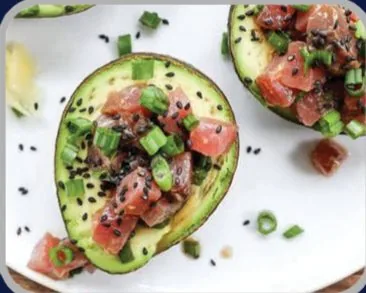
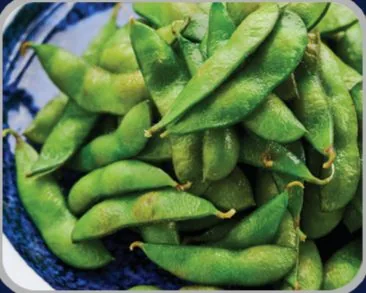
Where a bowl gets its color and crunch — cucumber, avocado, edamame, seaweed, corn, and crab among them. Toppings add freshness and balance against the richer fish.
The finishing layer that ties it together, from a clean soy-and-sesame dressing to something creamier or with a little heat. A light hand keeps the fish in the spotlight.
The two classic poke proteins pull in different directions, and knowing how helps you order. Ahi tuna is lean, firm, and clean-tasting — a bright red cube that holds its shape and lets a light marinade shine. Salmon is the richer, softer option: more fat means a buttery, melt-in-the-mouth texture and a fuller flavor that stands up to bolder sauces. If you like a cleaner, more savory bite, lean ahi; if you want something lush, go salmon. And if you can't decide, there's an easy answer — many people split their bowl and take both.
At Mizunoya, our poke bowl comes loaded with cucumber, corn, avocado, seaweed, edamame and a crab mix, plus your choice of protein on top — so you can steer it lean or rich depending on the day. You can see what's in the bowl on our menu.
Poke gets shelved next to sushi because both involve raw fish and rice, but they come from different places and are built on opposite principles. The distinction matters if you are deciding what you actually want to eat.
Cubed fish tossed in sauce before it reaches the bowl — shoyu, sesame oil, sometimes chilli mayo. The seasoning is in the fish, not alongside it. A typical serving is 4 to 6 ounces of protein.
The fish is cut, not cubed, and left plain so the rice seasoning and a touch of soy carry it. That is why a $6.99 piece of nigiri tastes of fish and a poke bowl tastes of sauce.
Sliced sashimi arranged over sushi rice, undressed, in a bowl. It looks like poke and eats like sashimi. If a poke bowl feels too sweet, chirashi is usually what you were after.
Poke rewards a lot of toppings; sushi is diminished by them. Judge poke on the sauce and the cube size, judge sushi on the rice and the cut. Mizunoya's menu covers sushi, hibachi and ramen rather than poke.
Poke is a Hawaiian verb, not a dish name, and originally described the cut rather than the recipe. The traditional version is ahi with sea salt, limu seaweed and inamona, a roasted candlenut relish — three ingredients, no rice underneath.
The build-your-own bowl with a rice base, five toppings and a sauce is a mainland American format that spread after about 2012. It is closer to a salad bar in structure than to anything served in Honolulu in 1970.
A standard bowl runs 4 to 6 ounces of fish over roughly 8 ounces of base. Two proteins usually adds $2 to $4. Fish sold for raw service is generally frozen to -20°C for at least 7 days first, per FDA parasite-destruction guidance.
Limu is Hawaiian seaweed, and with sea salt and inamona it made up the original three-part seasoning. Most mainland bowls drop it entirely, which is the clearest single marker of how far the format has travelled from where it started.
Poke is Hawaiian rather than Japanese, and it is assembled in four layers rather than cooked. Knowing the layers makes any poke counter easier to read, wherever you are ordering it.
| Layer | Common choices | Notes |
|---|---|---|
| Base | Sushi rice, brown rice, greens | Rice is warm; greens keep it lighter |
| Protein | Ahi tuna, salmon, cooked shrimp, tofu | Usually 4–6 oz, cubed |
| Toppings | Avocado, edamame, seaweed, cucumber, masago | Three to five is typical |
| Sauce | Shoyu, spicy mayo, ponzu, sesame | Added last, tossed or drizzled |
Every poke counter works the same way, and the order of operations matters because sauce added too early turns the base to mush. Work down the line in this sequence.
Sushi rice is the traditional choice; greens cut the starch if you want a lighter bowl.
Ahi is leaner and firmer. Salmon is fattier and softer. Tofu keeps it meat-free.
Avocado for fat, cucumber for crunch, seaweed and edamame for chew.
Sauce added before the toppings soaks the base. Ask for it on the side if you're driving.
Food-safety and sourcing statements on this page follow the guidance below. Texas food establishments are also required to operate under state retail food rules, and staff handling raw fish are certified food handlers under those rules.
Carrollton and the wider North Dallas area have plenty of places to grab a bowl, and the best ones treat the fish with the same care a sushi counter would. Pick your protein, load up the toppings, and keep the sauce light. We'd love to build one for you once we open.
Mizunoya — Japanese Kitchen
1025 W Hebron Pkwy #156, Carrollton, TX 75010
Open daily except Tuesday